My WordPress Site

What is IB Diploma Programme?

The IB Diploma Programme (DP) was established in 1968 to provide an international education that would enable young people to better understand and manage the complexities of our world, and to provide them with the skills and attitudes to take action to improve it. It is recognised by leading universities across the globe.

“The IB Diploma Programme (DP) is a rigorous, academically challenging and balanced programme of education designed to prepare students aged 16 to 19 for success at university and life beyond. The DP aims to encourage students to be knowledgeable, inquiring, caring and compassionate, and to develop intercultural understanding, open-mindedness and the attitudes necessary to respect and evaluate a range of viewpoints.”
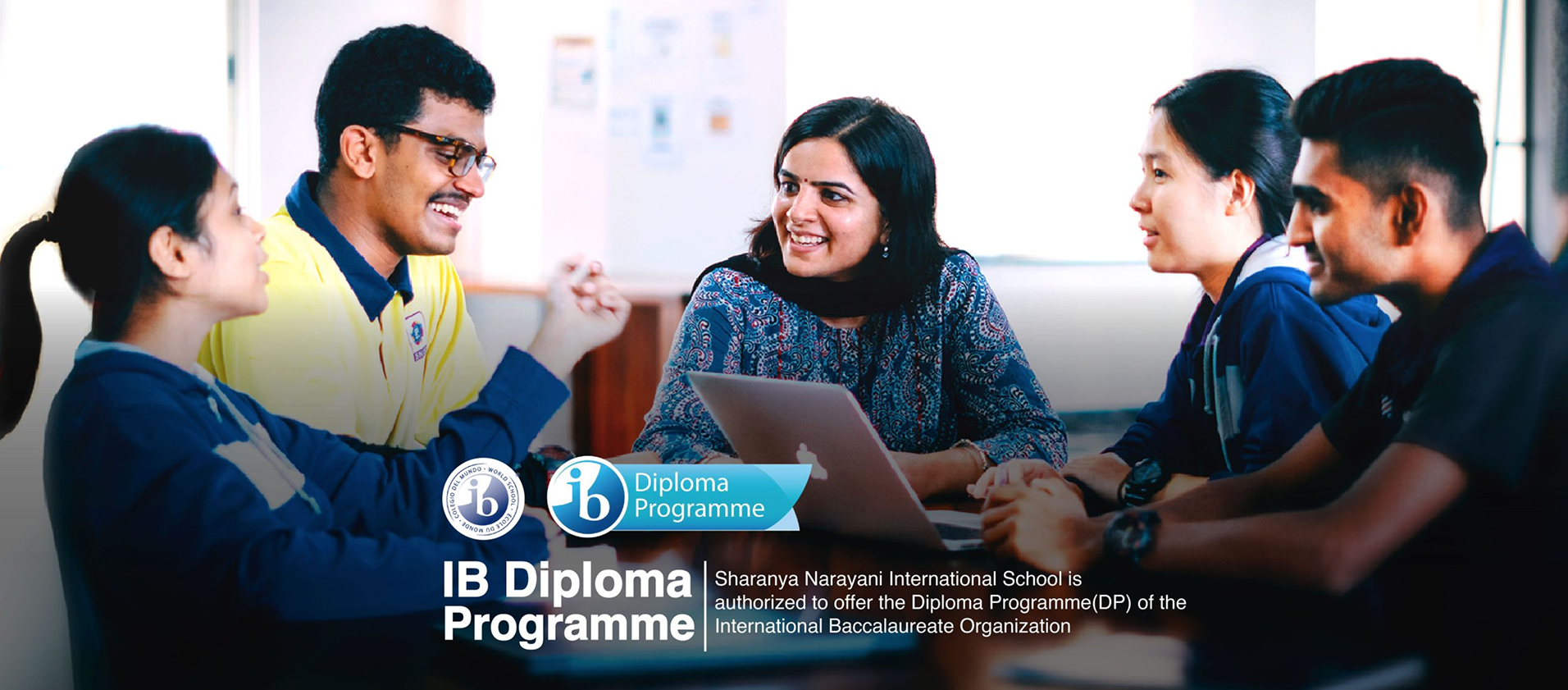
The IB Programme is not just a curriculum, it is also a teaching and educational philosophy. The IB classes are intended to teach students to think critically, to recognise the importance of seeing events or knowledge claims from diverse perspectives, to comprehend strengths and weaknesses of what students or others claim to “know,” to recognize and discover ethical controversies integrally relevant to what they learn, and to be able to relate what they learn in significant ways to the “everyday life”.

What the DP offers students

Through the DP, schools nurture students who possess excellent breadth and depth of knowledge, and who flourish physically, intellectually, emotionally, and ethically. They study at least two languages, excel in traditional academic subjects, and explore the very nature of knowledge through the programme’s unique Theory of Knowledge course.

The PYP offers a comprehensive, inquiry–based approach to teaching and learning and provides an internationally designed model of agency where students take ownership of their learning. It incorporates strategies to focus on student’s multiple intelligences, teaching methodologies and approaches towards formative assessments.

The PYP nurtures independent learning skills, encouraging every student to take responsibility for their learning. The programme incorporates local and global issues into the curriculum, asking students to look at six related, transdisciplinary themes and to consider the links between them. 

The IB DP
Curriculum Model

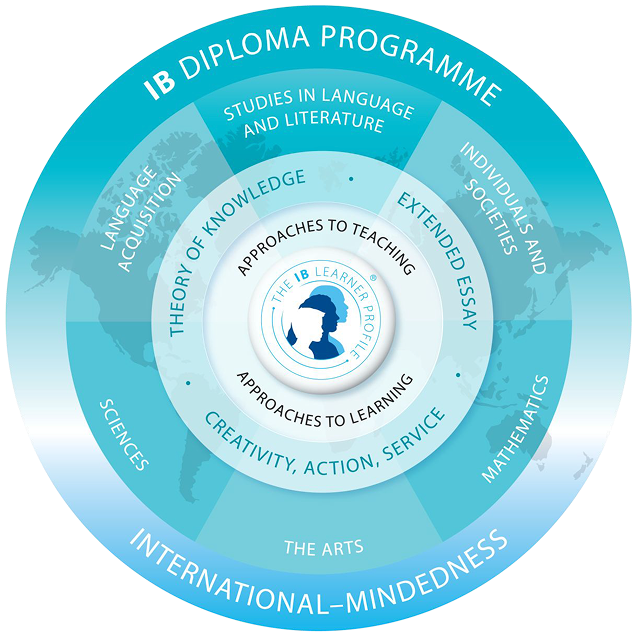
The Diploma Programme (DP) curriculum is made up of six
subject groups and the DP core, comprising:

  • Theory of knowledge (TOK), in which students reflect on the nature of knowledge and on how we know what we claim to know.
  • Extended essay (EE), which is an independent, self-directed piece of research, finishing with a 4,000-word paper.
  • Creativity, Activity, Service (CAS), in which students complete a project related to those three concepts.

IB Diploma Group & Subject (Block) Offerings at SNIS

With support from the Head of School, IB Diploma Coordinator, counsellor, teachers and parents, students entering
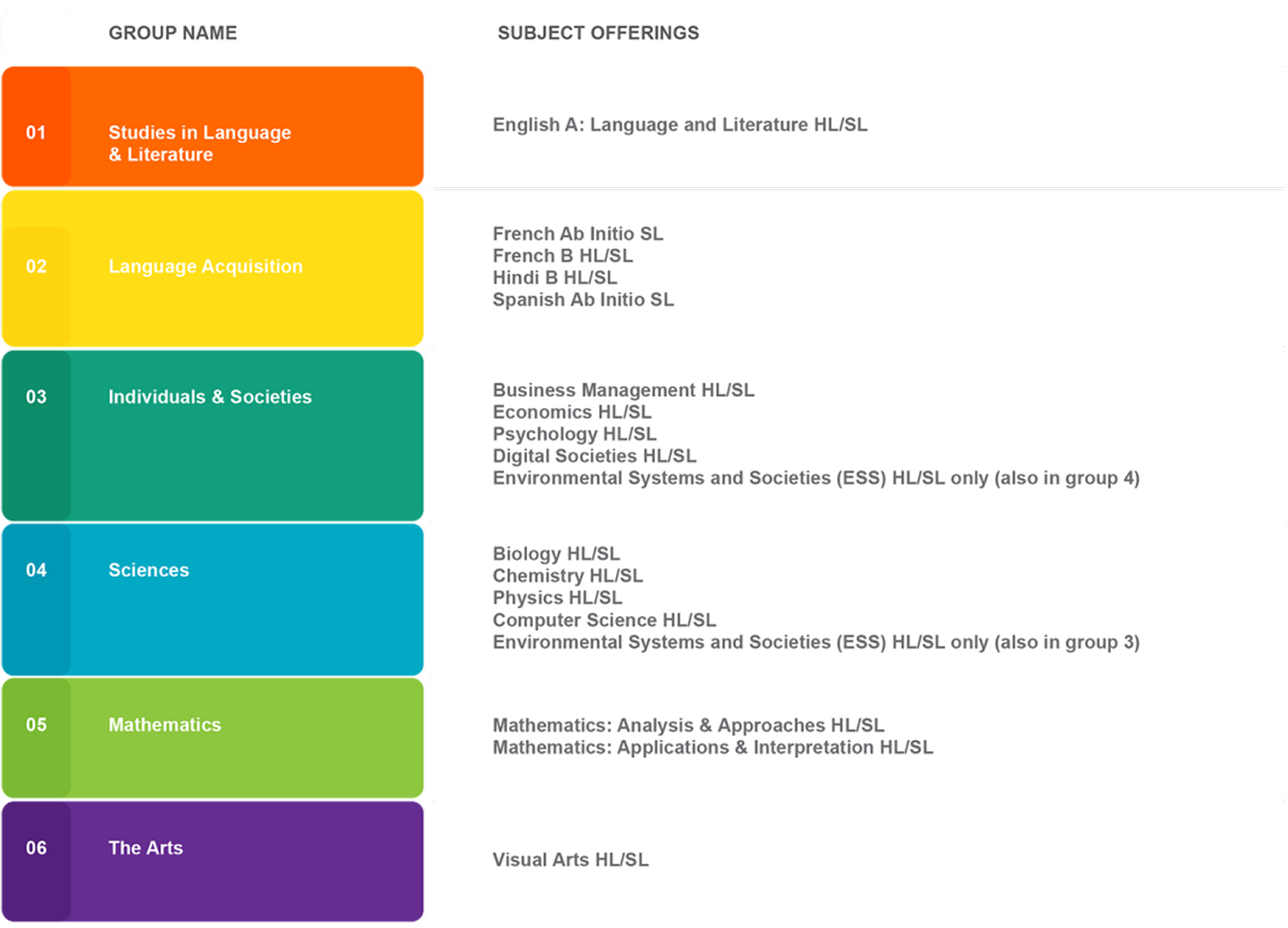
IB DP choose their subjects, based on their interests and career aspirations, from the following subject groups:

group 01

Studies in Language and Literature

group 02

Language
Acquisition

group 03

IB Individuals and Societies (Humanities)

group 04

IB Sciences

group 05

IB Mathematics

group 06

IB Arts (an additional subject from Groups 3 or 4)

group 01

Studies in Language and Literature

group 02

Language
Acquisition

group 03

IB Individuals and Societies (Humanities)

group 04

IB Sciences

group 05

IB Mathematics

group 06

IB Arts (an additional subject from Groups 3 or 4)

In addition to the subjects from the above subject groups, all students have to complete the IB DP Core subjects:
• Theory of Knowledge (TOK)     • Extended Essay (EE)     • Creativity, Activity, Service (CAS)

IB Subject Offerings at SNIS

** Three subjects at ‘Higher Level’ (HL) and three subjects at ‘Standard Level” (SL)

IB DP Subject Offerings

Students undertaking the Diploma Programme at SNIS will:

  • Study six subjects chosen from the six subject groups
  • Students may opt to study an additional sciences, individuals and societies, or languages course, instead of a course in the arts.
  • Three of the six subjects are studied at Higher Level (HL) (courses 1representing 240 teaching hours)
  • The remaining three subjects are studied at Standard Level (SL) (courses representing 150 teaching hours)
  • Higher Level (HL) and Standard Level (SL) courses differ in scope but are measured according to the same grade descriptors, with students expected to demonstrate a greater body of knowledge, understanding and skills at higher level.
  • Complete an Extended Essay (EE)
  • Follow a Theory of Knowledge course (TOK)
  • Participate in Creativity, Activity, Service (CAS)
  • A Bilingual Diploma will be awarded to a successful student who fulfills one or both of the following criteria:
  1. Completion of two languages selected from Group 1 with the award of a grade 3 or higher in both languages
  2. Completion of one of the subjects from Group 3 or Group 4 in a language that is not the same as the student’s nominated Group 1 language; the student must attain a grade 3 or higher in both the Group 1 language and the subject from Group 3 or 4.

Eligibility for acceptance into the IB Diploma Programme (Grade 11) at SNIS

All previous educational qualifications will be considered but a student needs to have achieved a high level in their educational background to certify they begin the IB Diploma Programme with a sound academic footing.

  • For students who have followed the IGCSE programme, we require a minimum of five passes (C through A*) to enter the full IB Diploma programme and we recommend a minimum of a grade ‘C’ to enter a standard level course and ‘B’ to enter a higher level course.
  • A minimum of four IGCSE passes (C through A*) is required to enter the IB courses programme
  • Grade 11 and Grade 12 in SNIS is a place where diligence and high academic standards go alongside with a strong stress on the growth of an all-embracing education in an ingenious and reassuring environment.
  • The information on our website is to assist students in making decisions about which subjects to select for the IB Diploma Programme in Grade 11- IB DP.

SNIS Outstanding Achievement Scholarships

SNIS Outstanding Achievement Scholarships are awarded to those candidates who demonstrate outstanding Academic Aptitude and display artistic or athletic excellence. The SNIS Scholarship Program is
available to all new applicants for Grade 11 (IBDP).

Click here for further information about the SNIS IB DP Scholarship Program

Contact our Admissions officer (admissions@snis.edu.in), with any questions you may have about the application procedure.

SNIS Outstanding Achievement Scholarships

SNIS Outstanding Achievement Scholarships are awarded to those candidates who demonstrate outstanding Academic Aptitude and display artistic or athletic excellence. The SNIS Scholarship Program is
available to all new applicants for Grade 11 (IBDP).

Click here for further information about the SNIS IB DP Scholarship Program

Contact our Admissions officer (admissions@snis.edu.in), with any questions you may have about the application procedure.